Table of Contents
TogglePulse Oximeter in Pakistan — The Small Device That Became a Household Staple
A device that used to live exclusively in hospitals and clinics is now sitting in medicine cabinets across the country. A Pulse Oximeter in Pakistan has gone from a specialty medical tool to something families keep alongside their thermometer and first-aid kit — and that shift says a lot about how home health monitoring has changed.
Here’s what this device actually does, how to read it correctly, and why it’s earned a permanent place in so many households.
What Is a Pulse Oximeter?
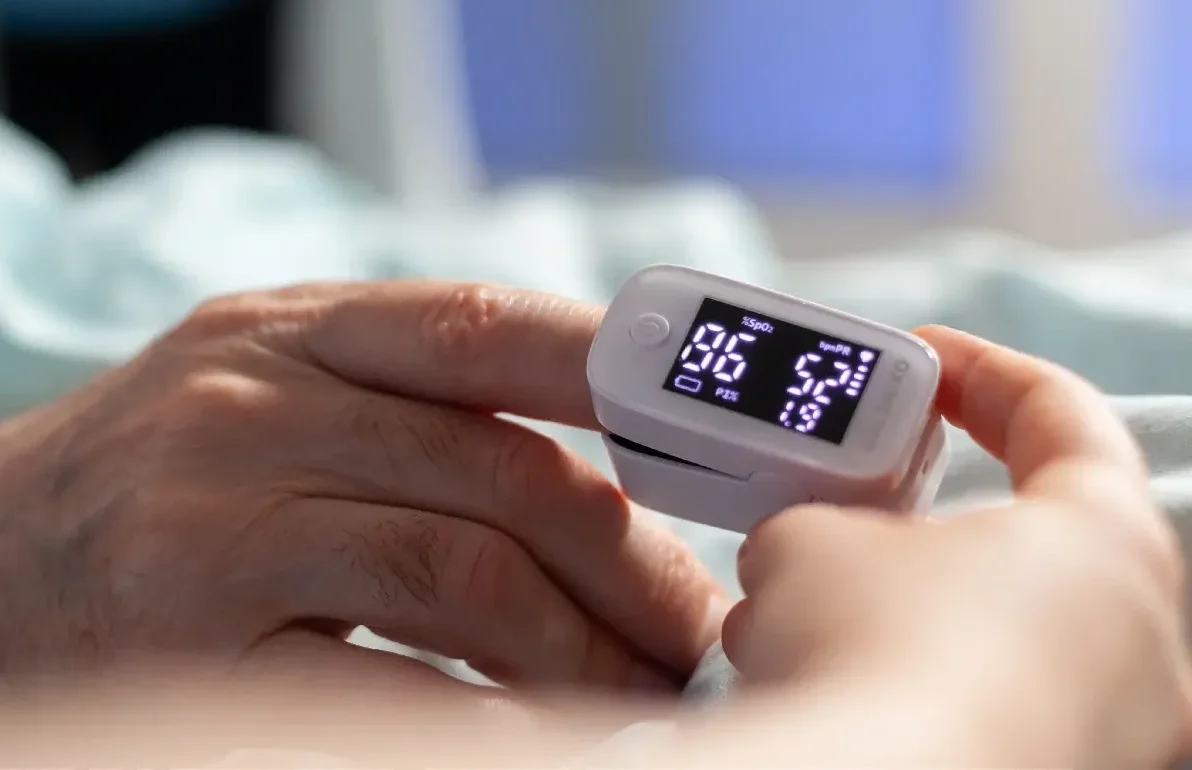
A pulse oximeter is a small clip-on device, usually worn on a fingertip, that measures two things simultaneously: your blood oxygen saturation (SpO2) and your pulse rate. It works by shining light through the fingertip and measuring how much of it is absorbed, which correlates with oxygen levels in the blood.
No blood draw, no waiting for lab results — just a reading in seconds.
Why Pulse Oximeter Ownership Is Rising in Pakistan
1. Post-Pandemic Health Awareness
The past several years shifted public understanding of oxygen saturation from a niche medical concept to something the average household now recognizes and monitors, particularly during respiratory illness.
2. Chronic Respiratory Conditions Are Common
Pakistan has a meaningful population managing asthma, COPD, and other respiratory conditions where tracking oxygen levels at home provides valuable, ongoing insight between doctor visits.
3. Affordability and Accessibility
A Pulse Oximeter in Pakistan is now inexpensive enough to be a reasonable household purchase, not a specialty item reserved for people with existing diagnoses.
4. Peace of Mind for Families With Elderly Members
For households caring for older relatives, a quick, non-invasive oxygen check offers reassurance and an early signal if something needs medical attention.
How to Read Pulse Oximeter Results
A typical healthy adult’s SpO2 reading generally falls in the high-90s percentage range, though normal ranges can vary by individual and altitude. Along with the oxygen percentage, most devices also display pulse rate (beats per minute) on the same screen.
If you ever see a persistently low reading, or a reading paired with symptoms like breathlessness, chest discomfort, or confusion, that’s a signal to seek medical attention rather than rely on the device reading alone — a Pulse Oximeter in Pakistan is a monitoring tool, not a diagnostic replacement for a doctor.
How to Get an Accurate Reading
- Make sure your hands are warm — cold fingers can distort readings.
- Remove nail polish or acrylics if wearing them, since they can interfere with the light sensor.
- Sit still and rest your hand at heart level during the reading.
- Wait a few seconds for the number to stabilize before recording it.
- Take readings at consistent times if you’re tracking a trend over several days.
Who Should Consider Keeping One at Home
- Individuals managing asthma, COPD, or other chronic respiratory conditions
- Families with elderly members living independently
- Anyone recovering from a respiratory illness who wants to track progress
- Athletes or high-altitude travelers monitoring oxygen adaptation
A Simple, Practical Addition to Any Home Health Kit
Unlike many trending health gadgets that offer marginal real-world value, a pulse oximeter earns its spot because it measures something genuinely useful, in a way that’s fast, painless, and easy for anyone in the household to use — no training required.
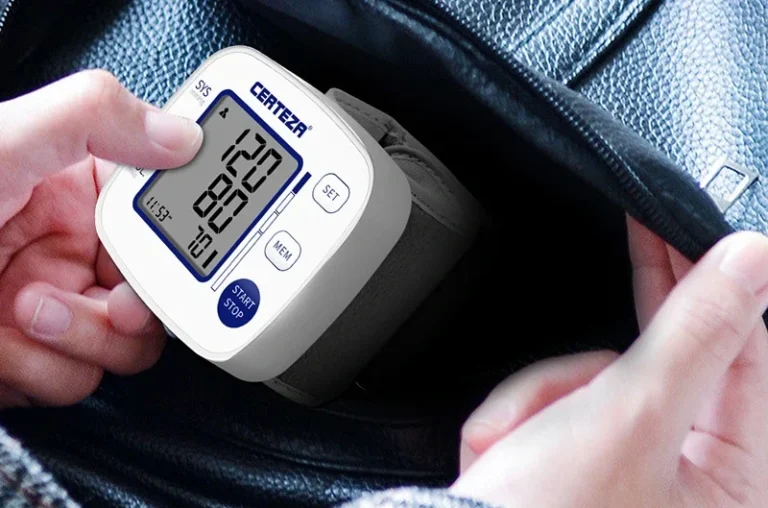
Pairing it with a home blood pressure monitor rounds out a solid basic health-tracking setup. If you’re building that kind of kit, take a look at our Finger Pulse Oximeter – LED Display SpO2 & Heart Rate Monitor, or add a Certeza BM 300 Wrist Blood Pressure Apparatus for daily BP tracking alongside it.
For general reference on what SpO2 readings mean, the American Lung Association’s guide to pulse oximetry is a solid, non-commercial external resource.