
Rs 5,199

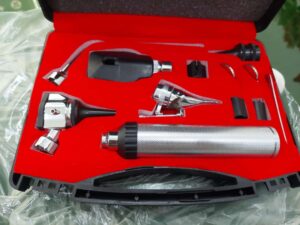
Compact F.O. Ophthalmoscope & Otoscope ENT Diagnostic Set
Original price was: ₨ 13,500.₨ 9,450Current price is: ₨ 9,450.-
Lemon Bottle Fat Dissolving Solution — Body Contouring Lipolysis Injection
Original price was: ₨ 13,500.₨ 9,000Current price is: ₨ 9,000. -
Digital Hair and Skin Analyzer Machine — 2-in-1 Scalp & Facial Diagnostic Device
Original price was: ₨ 105,000.₨ 91,000Current price is: ₨ 91,000.
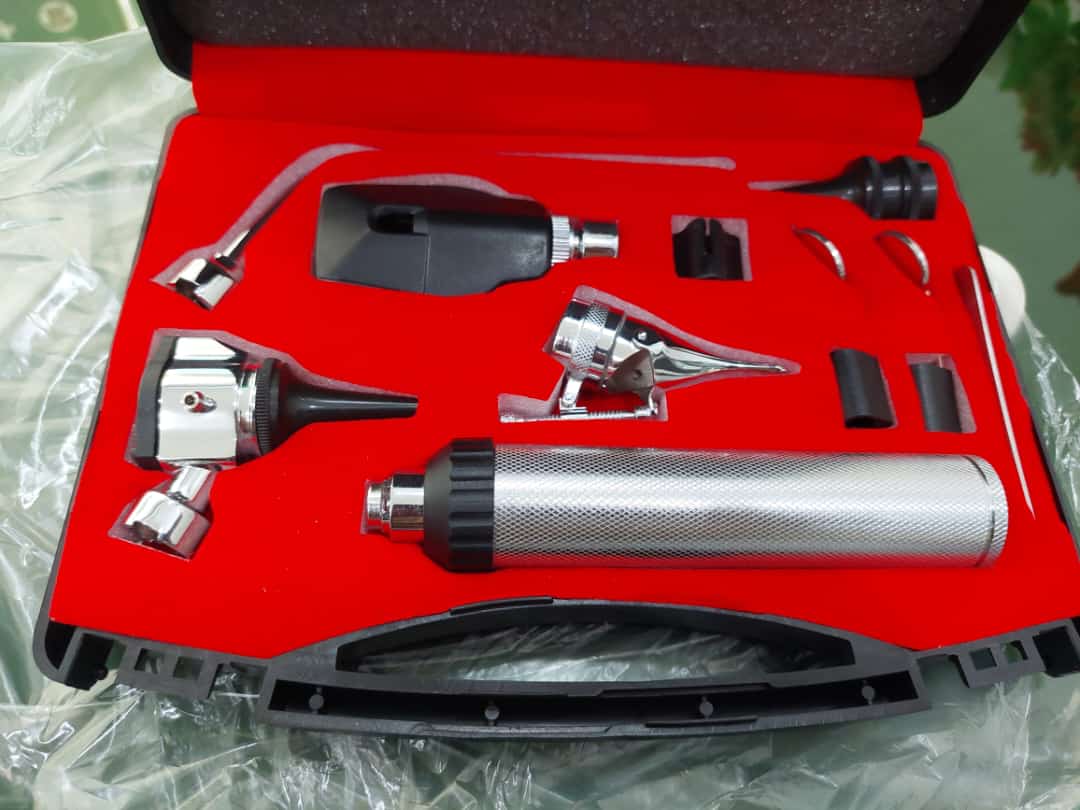
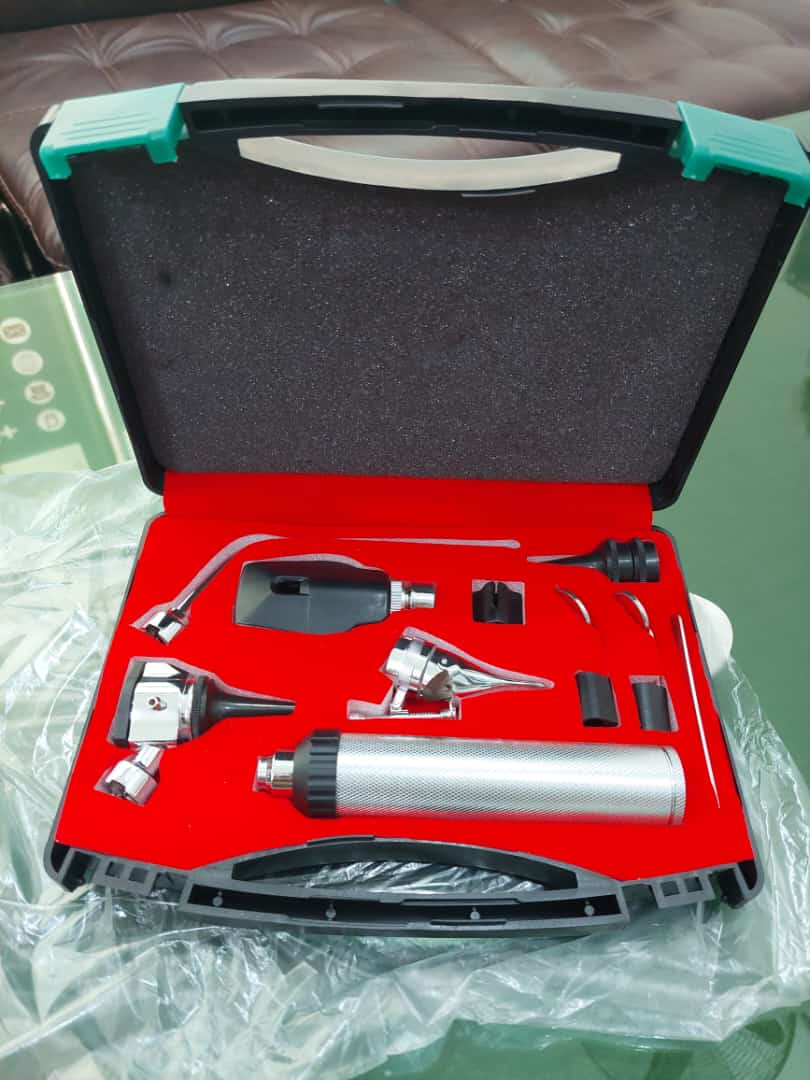


Compact F.O. Ophthalmoscope & Otoscope ENT Diagnostic Set
- Estimated Delivery : Up to 4 business days
- Free Shipping & Returns : On all orders over 200,000
ENT diagnostic set
Every doctor performing routine physical examinations eventually needs to check a patient’s ears, nose, throat, and eyes as part of a standard consultation, and doing that properly requires two specific instruments working together: an otoscope and an ophthalmoscope. Medical Hub’s Compact F.O. Ophthalmoscope and Otoscope ENT Diagnostic Set brings both instruments into a single, well-organized kit, giving general practitioners, ENT specialists, and medical students a complete diagnostic solution without sourcing each instrument separately.
What’s Included in This Set
The set combines a compact fiber optic (F.O.) ophthalmoscope for examining the interior structures of the eye — including the retina, optic disc, and blood vessels — with an otoscope designed for ear canal and eardrum examination. Both instruments use fiber optic illumination technology, which delivers brighter, more consistent, and cooler light directly to the examination site compared to older bulb-based lighting systems, giving clinicians a clearer view during examination without the heat or inconsistent brightness that older instrument designs are known for.
Why Fiber Optic Technology Matters
Fiber optic instruments transmit light through a bundle of optical fibers rather than relying on a small bulb positioned near the instrument head, which historically produced dimmer, more inconsistent illumination and generated noticeable heat during extended use. The fiber optic design used in this set delivers brighter, whiter light directly to the tip of the instrument, improving the clinician’s ability to spot fine detail during both ear and eye examinations — a meaningful difference when trying to identify subtle signs like early eardrum inflammation or optic nerve changes.
Compact and Portable Design
This set is specifically built as a compact diagnostic kit, making it well suited to general practitioners running busy outpatient clinics, home-visit doctors, and traveling medical camps where carrying separate bulky instrument cases for each specialty isn’t practical. The compact housing typically includes a carrying case with designated slots for both instruments along with a set of reusable and disposable specula for the otoscope, keeping the full kit organized and ready for immediate use during patient consultations.
Who Uses This Diagnostic Set
This category serves general practitioners and family medicine doctors who need reliable ENT and eye screening tools as part of routine physical exams, ENT specialists who want a compact backup or travel set alongside their primary clinic equipment, medical students and residents building their personal diagnostic kit during training, and rural health clinics and medical camps that need dependable, portable diagnostic equipment where larger wall-mounted systems aren’t practical.
Why This Combination Set Makes Sense
Buying an otoscope and ophthalmoscope as a combined set, rather than sourcing each separately, typically works out more cost-effective and ensures both instruments share a consistent build quality and light output — important for clinicians who want a uniform examination experience across both instruments rather than mismatched equipment sourced from different suppliers with different quality standards.
Why Buy From Medical Hub
Diagnostic accuracy depends directly on instrument quality — a dim, inconsistent, or poorly focused light source can cause a clinician to miss a subtle but clinically significant finding. Medical Hub stocks genuine ENT diagnostic sets with confirmed fiber optic illumination quality, cash on delivery available across Lahore, Karachi, Islamabad, Rawalpindi, and nationwide, letting buyers confirm instrument quality on arrival before paying. Fast, tracked dispatch applies to every order, and the support team can answer pre-purchase questions about battery type, specula sizes included, and case contents.
Maintenance and Care
Fiber optic instruments benefit from proper handling and storage to maintain consistent light output over years of clinical use — keeping the instrument head clean between patients, using appropriate disinfection methods for reusable components, and storing the set in its case rather than loose in a bag all help preserve both hygiene standards and instrument longevity. Battery-powered handles should be checked periodically to ensure consistent brightness, since dimming batteries can subtly affect examination quality without being immediately obvious to the clinician.
A Practical Addition to Any Clinical Practice
For any practice performing routine physical exams, having both instruments readily available in one organized set removes the friction of searching for or switching between separate pieces of equipment mid-consultation — a small efficiency gain that adds up across a full day of patient appointments.
Pair this with items from Diagnostic Devices to build out a complete general practice diagnostic toolkit.
Routine ENT and ophthalmic screening are standard components of general physical examination — see guidance from the American Academy of Otolaryngology on ear examination.
Be the first to review “Compact F.O. Ophthalmoscope & Otoscope ENT Diagnostic Set”
Related products
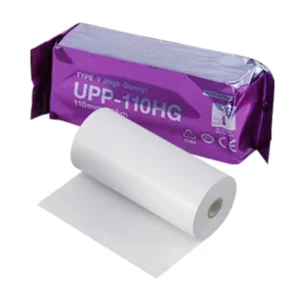
Sony UPP-110S Ultrasound Thermal Paper Roll – 110mm x 20m (Type I Standard)
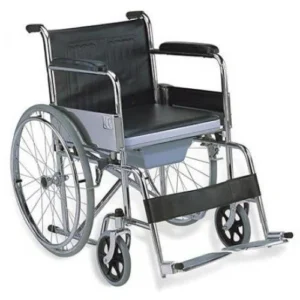
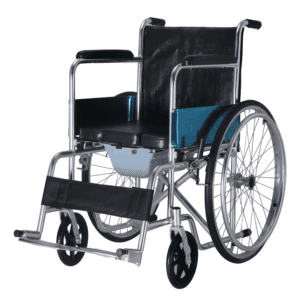
Original price was: ₨ 2,050.₨ 1,550Current price is: ₨ 1,550.Commode Wheelchair in Pakistan – Wheelchair with Commode – Foldable Commode Wheelchair
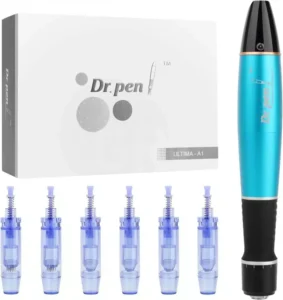
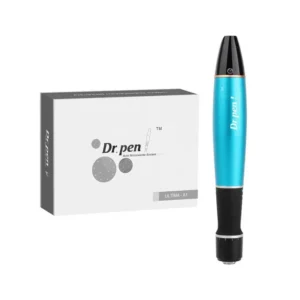
Original price was: ₨ 34,500.₨ 27,949Current price is: ₨ 27,949.Wireless Dr Pen A1 Microneedling Pen with Cartridges Kit | Best Price Pakistan
Original price was: ₨ 16,500.₨ 12,500Current price is: ₨ 12,500.3L Digital Ultrasonic Cleaner — Stainless Steel Tank, LED Timer & Heater
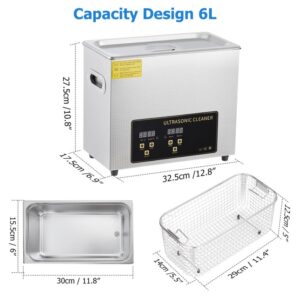
Original price was: ₨ 57,500.₨ 49,800Current price is: ₨ 49,800.6L Digital Ultrasonic Cleaner — Commercial & Home Use, Stainless Steel Tank
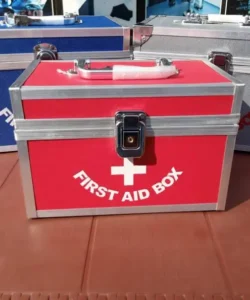
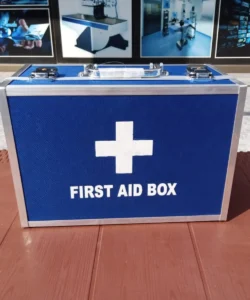
Original price was: ₨ 67,800.₨ 59,800Current price is: ₨ 59,800.1st Aid Box – Wooden and Aluminum First Aid Medical Storage Box for Medicine
Price range: ₨ 2,450 through ₨ 3,250

Reviews
There are no reviews yet.